Balcony Planters: Start with Space, Drainage, and Access
Shopping note: This guide links directly to retailers. We do not earn a commission from these links. Read our disclosure. This is a research-based buying guide.
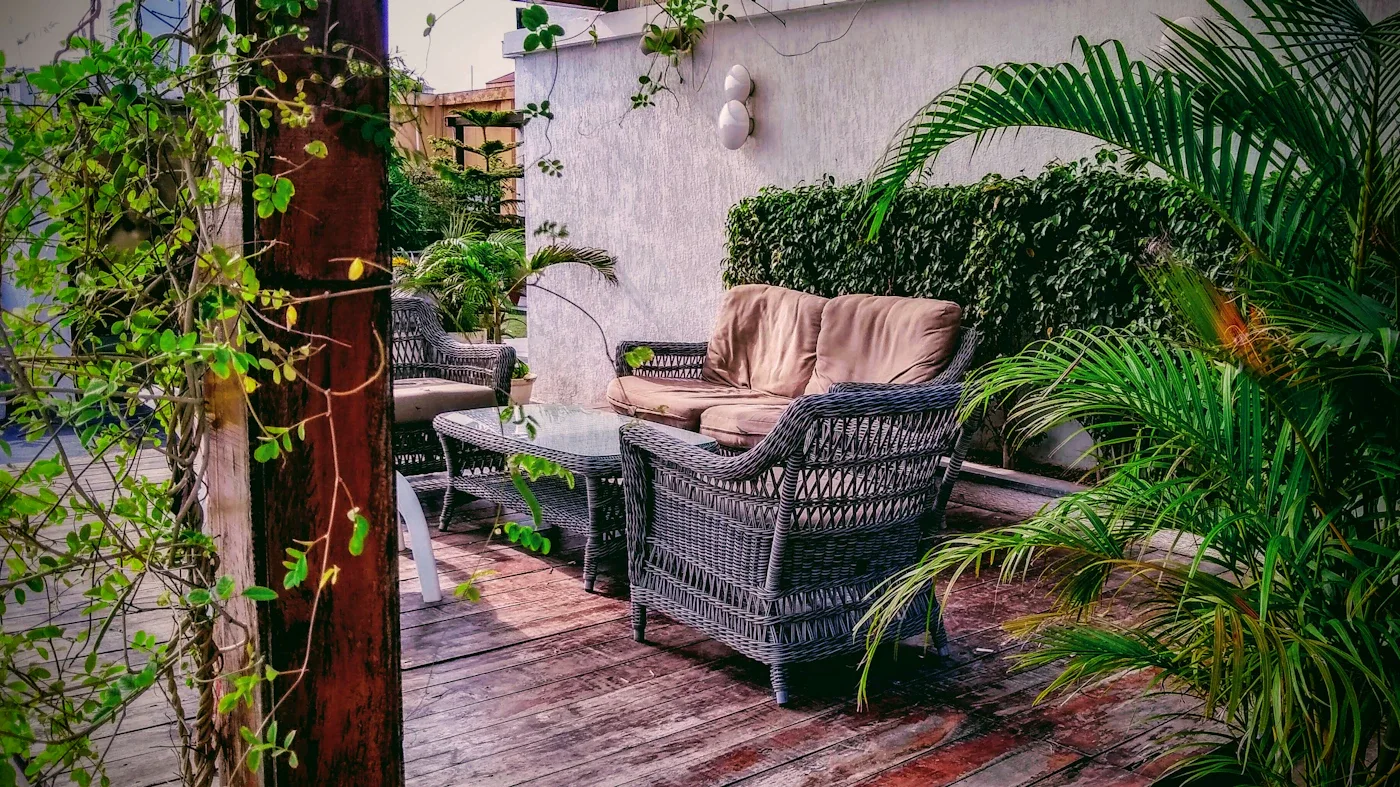
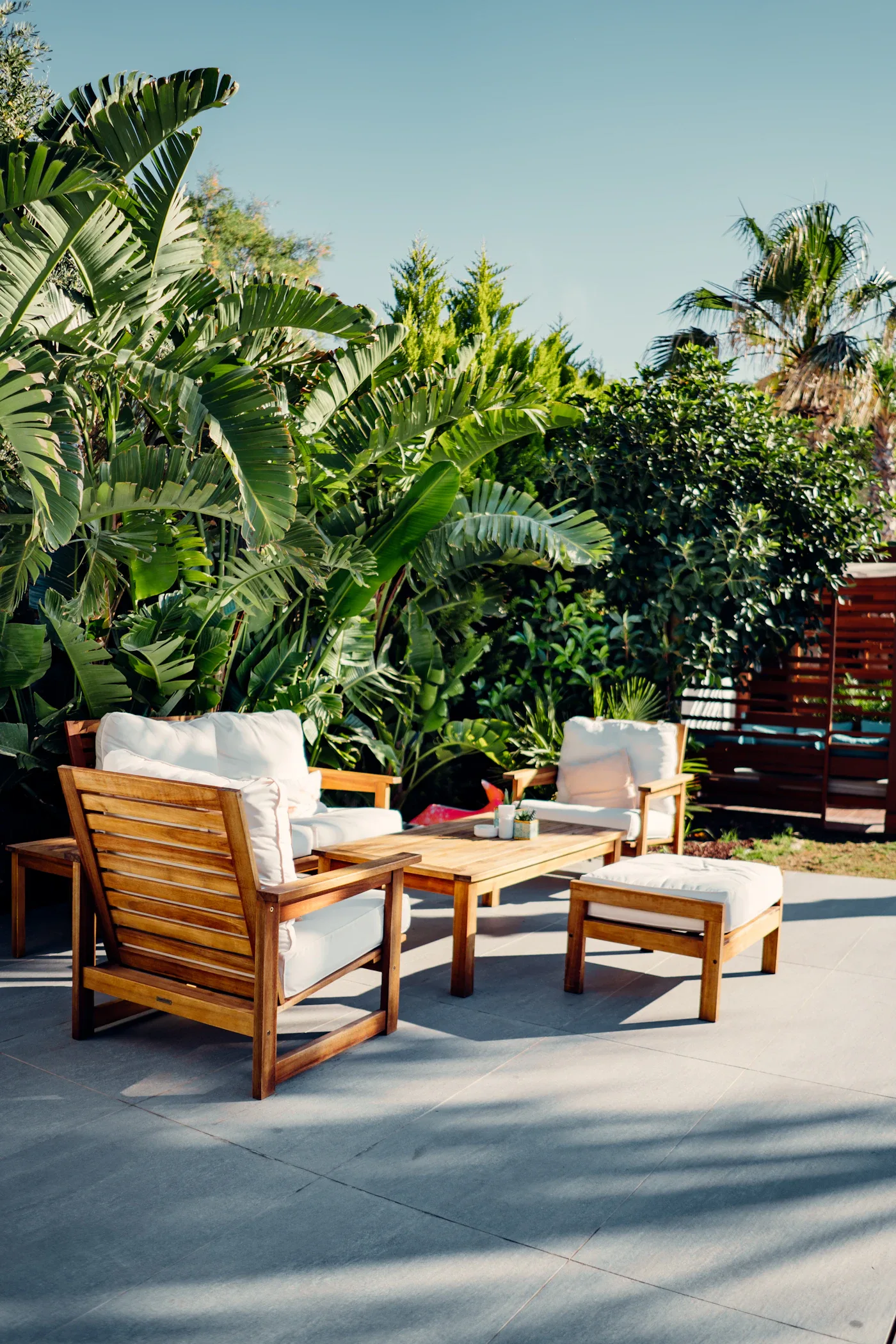
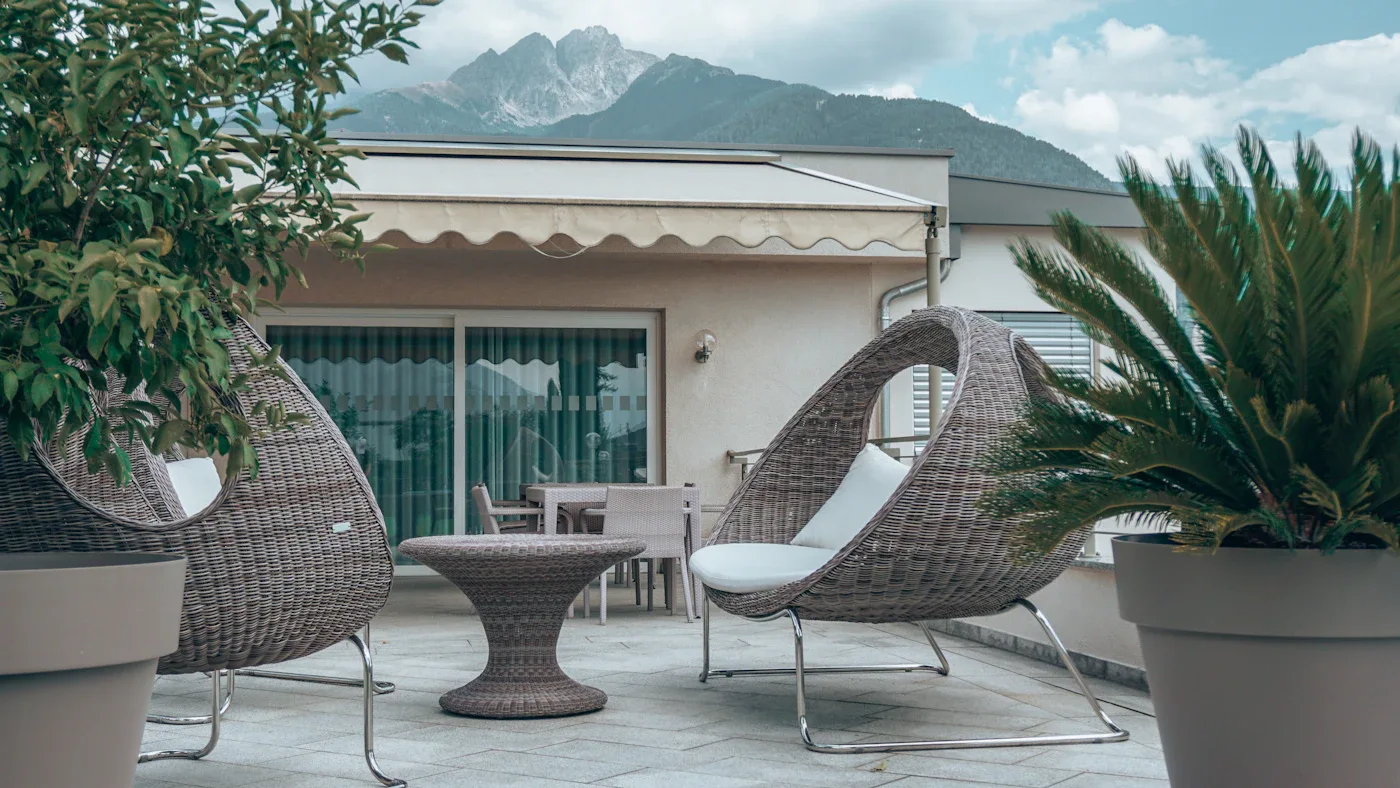
A balcony garden is easiest to enjoy when you can reach every pot without moving the furniture. Before choosing a row of beautiful planters, consider the watering can, the door, and where excess water will go. Those details determine whether the garden becomes a pleasant daily ritual or a collection of awkward chores.
For a first balcony planting, start with a small group of accessible floor-standing containers suited to the plants and the building's rules. Add railing or hanging planters only after confirming their mounting requirements and permission to use them. Filling the entire railing is not necessary to make the space feel green.
Map light and access before buying
Look at the balcony at different times of day. Adjacent buildings and an overhead balcony can change the light considerably. Choose plants for the conditions you observe rather than assuming a compass direction tells the whole story.
Next, trace the route from the water source to each container. Can you carry a filled watering can through the door? Can you inspect the back of the planter and remove a saucer? A handsome pot that is difficult to reach is a poor match for frequent care.
Keep doors, access routes, and required clearances open. Check building restrictions and load limits before buying large containers: the relevant weight includes the planter, wet growing medium, water, and mature plant. Do not estimate a balcony's structural capacity from its appearance.
Compare the container formats
| Container type | A good reason to choose it | Main tradeoff | Check before ordering |
|---|---|---|---|
| Individual floor pot | Easy to rearrange a modest planting group | Several pots create more separate watering tasks | Drainage, filled weight, and saucer access |
| Long planter box | A continuous strip of herbs or foliage | Harder to move once filled | Interior growing space and drainage arrangement |
| Self-watering container | You want a reservoir-based watering routine | Still needs monitoring and correct setup | Filling access, overflow, and plant suitability |
| Railing planter | Floor space is limited | Mounting and runoff require particular care | Railing compatibility, attachment instructions, and building permission |
| Raised planter | Bending to low pots is inconvenient | Greater overall size and potentially substantial weight | Working height, stability, and total loaded weight |
Understand drainage before adding decoration
The University of Maryland Extension's container guide explains that containers need appropriate drainage and that a gravel layer does not solve drainage problems. It also notes the need to manage saucers, especially when gardening above a neighbor.
For a decorative outer pot, decide how you will remove or empty the inner container without spilling across the balcony. An attractive cover pot is not automatically a complete planting system. Avoid leaving the drainage arrangement as a decision for after planting.
Read a self-watering container's instructions as a system: reservoir, overflow, growing medium, and plant choice work together. The feature can change the routine, but it does not mean a planter can be ignored for an unspecified number of days.
Match the size to the plant, then the finish to the room
Find the growing-space requirement for the plant you intend to buy. Exterior dimensions can be misleading if a planter has thick walls, a raised base, or an internal reservoir. Compare the usable interior instead.
Once the practical fit is settled, narrow the finishes. A repeated pot color can connect very different plants. A mix of two heights often creates enough variation without requiring every container to have a different shape.
IKEA's outdoor planter collection is a useful place to compare floor pots, boxes, and stands. Check each listing for drainage and intended outdoor use rather than treating all products in the collection as interchangeable.
Spend on fewer useful containers
An oversized decorative cachepot is not necessarily better value than an appropriately sized growing container. Put the budget toward the correct interior size, workable drainage, and a finish suited to exposure. Buy plants and growing medium after you know the planters will work.
Avoid buying a tall stand simply to add height. It also introduces another object to stabilize, clean, and navigate around. Place furniture first using our small patio layout guide, then use planting to frame the remaining space.
At seasonal changes, follow the planter manufacturer's frost and storage instructions. Leave enough room to clean underneath and inspect drainage openings throughout use.
Common questions
Can I put a nursery pot inside a decorative planter?
Yes, provided you can manage drainage and remove collected water. Check the inner pot's actual diameter and height, including its rim, before buying the outer one.
Are self-watering pots worth it?
They can be worthwhile when filling and checking the reservoir is easier than your current routine. Look at access and instructions first, rather than treating the feature as a guarantee of plant success.
How many planters should I start with?
Start with the number you can comfortably reach and maintain. Leave room for mature growth and for using the balcony; there is no need to fill every open corner.
Sources and shopping references
Sources checked October 9, 2026.
Check the details before you buy.
Compare current dimensions, materials, care instructions, and return terms at the retailer.