A Softer Take on Coastal Living: A Room-by-Room Buying Plan
Shopping note: This guide links directly to retailers. We do not earn a commission from these links. Read our disclosure. This is a research-based buying guide.

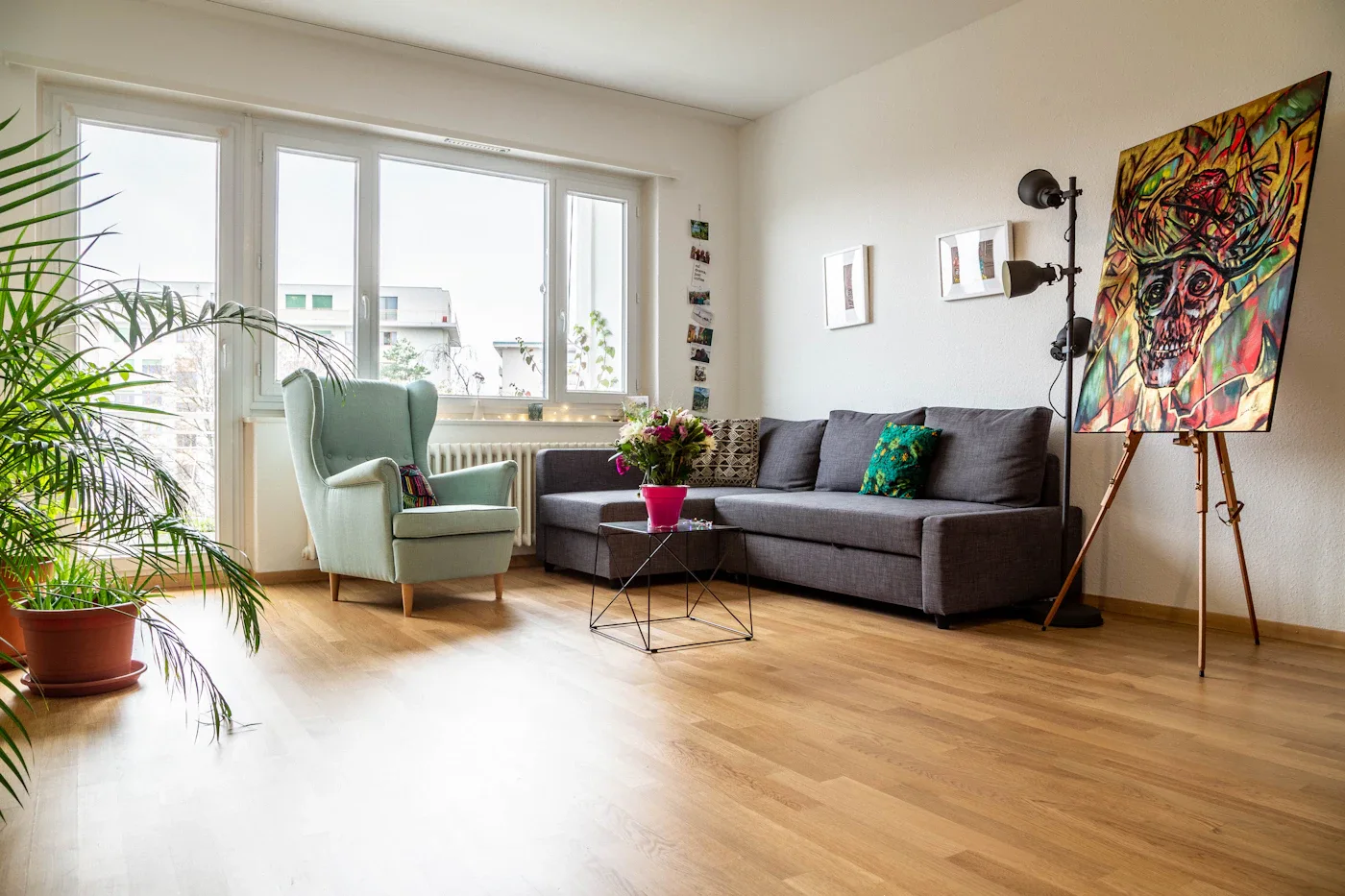
A coastal room can feel relaxed without a shelf full of shells. Picture an ordinary open-plan home: a comfortable sofa, warm wood floors, an island covered with school papers, and afternoon light that makes every paint sample look different. The useful starting point is a quiet background and a few materials you enjoy living with.
The buying verdict: keep the large pieces simple, spend on the surfaces you touch every day, and introduce coastal character through washable textiles, restrained color, and natural-looking texture. Replace a working sofa only when its comfort or scale is wrong. A new rug and better lighting may do more for the room.
Start with the room you already have
List what will stay before choosing a palette. A honey-colored floor, cream cabinets, or a dark leather sofa is part of the design, even if it is absent from the inspiration photograph. Carry samples to those permanent surfaces and look at them in daylight and with the lamps on.
For a warm room, begin with oatmeal, muted blue-green, and wood with visible grain. For a cooler room, try soft white, faded navy, and one warmer accent. These are editorial starting points, not rules about which colors belong together. The most useful palette is one that works with your existing finishes.
Put the first purchases to work
| Room or zone | Useful first purchase | Why it earns its place | Tradeoff to consider |
|---|---|---|---|
| Living room | A correctly sized, low-pile rug | Connects the seating group | A pale solid shows everyday marks more readily |
| Window wall | Light-filtering panels plus a privacy layer if needed | Softens a hard architectural edge | More fabric and hardware require more cleaning |
| Dining area | Simple table linens or seat cushions | Carries the palette without replacing furniture | Care requirements matter around frequent meals |
| Entryway | A shallow console with a drawer or basket | Gives keys and incoming items a home | Open baskets can become visible clutter |
| Bedroom | A washable cover in a related neutral | Extends the mood gently | Matching everything can feel overly coordinated |
IKEA's living-room textile guide illustrates how rugs, curtains, and cushions can change a room independently of the furniture. Use that idea to plan a small first order, then see what still feels unfinished.
Choose texture with maintenance in mind
Woven texture does not have to mean every surface is rattan. Combine a smooth tabletop, a soft upholstery fabric, and one more pronounced weave. Repeating the same coarse texture on the rug, chairs, lamp, and baskets can make a room feel busy even when every item is beige.
For a busy family seating area, prioritize the rug's care instructions over its coastal label. Read whether a sofa cover is removable, washable, or professionally cleanable; those terms are not interchangeable. A cushion with a decorative fringe may be lovely in a reading chair but inconvenient where a pet routinely curls up.
Order upholstery or rug samples when available. A photograph cannot settle whether the texture feels comfortable against your skin or whether a white has a pink, gray, or yellow cast in your home.
A buying sequence that prevents overspending
First resolve the layout and rug size. Next address lighting and privacy. After those practical decisions, choose cushions and a small amount of decor. A ceramic bowl that holds keys contributes more than a collection bought only to fill a console.
Keep accent colors portable. A blue pillow cover is easier to replace than an entire blue upholstered sectional. That does not make a colored sofa a mistake; it simply means its color should be something you want through several future room changes.
Browse IKEA's living-room collection to compare silhouettes and material combinations, then check the individual item's dimensions and care information. The category is a shopping starting point, not a claim that every item suits a coastal room.
Questions before you buy
Can coastal decor work with dark furniture?
Yes. Let the dark piece provide contrast and lighten the surrounding textiles. A cream curtain, muted blue cushion, and lighter rug can change the balance without disguising the furniture you own.
Do all the wood tones need to match?
No. Compare their undertones and visual weight instead. Repeating one wood tone in a small accessory can connect two larger pieces, while an exact matching set can make the room feel less collected.
What should be left until last?
Decorative objects and extra seating. Live with the main arrangement long enough to notice where you set a drink, need a lamp, or actually sit. Those observations give the final purchases a clear purpose.
Sources and shopping references
Sources checked October 9, 2026. Room-planning recommendations are Home Gear Insight's editorial guidance.
Check the details before you buy.
Compare current dimensions, materials, care instructions, and return terms at the retailer.