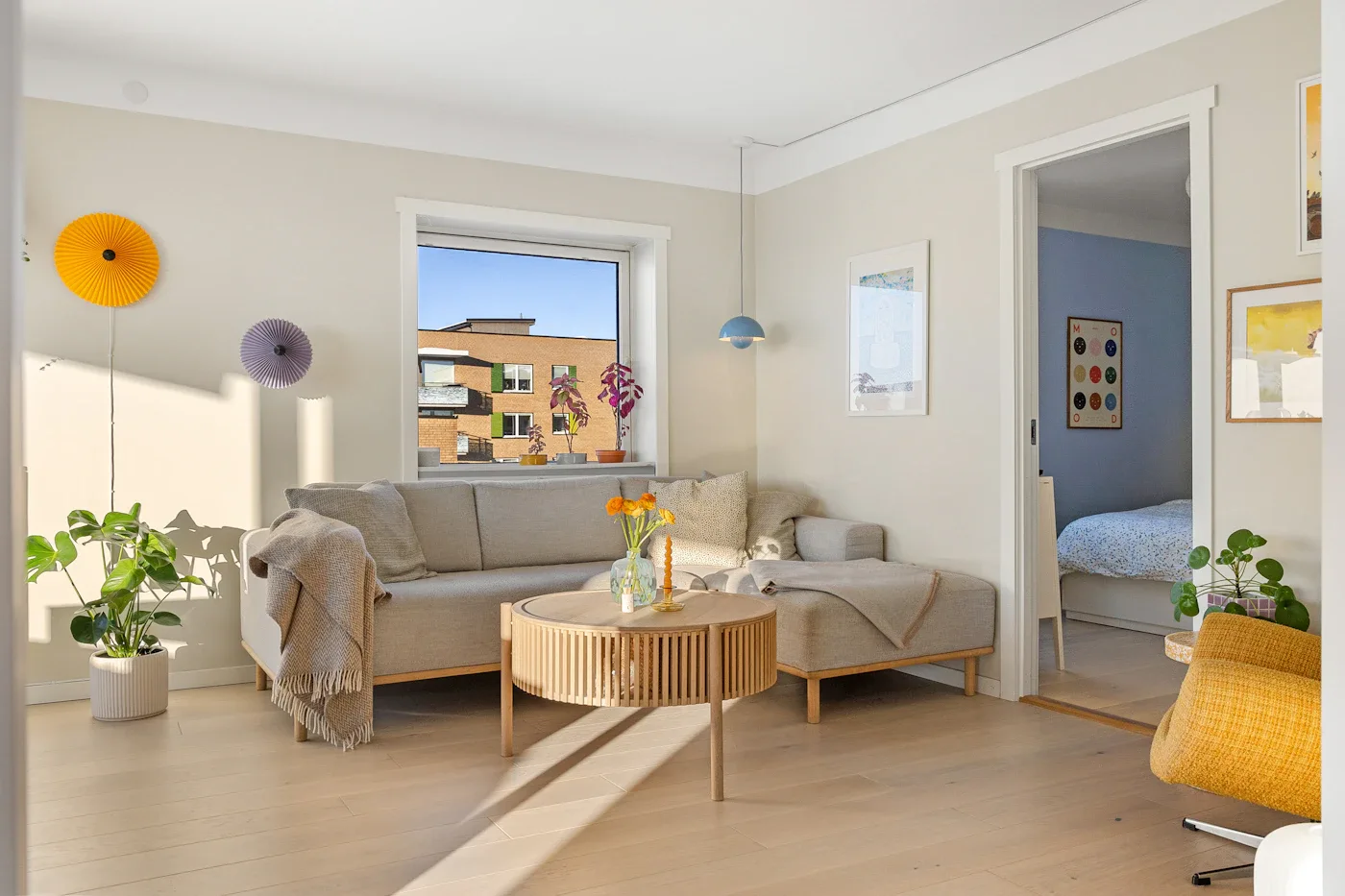
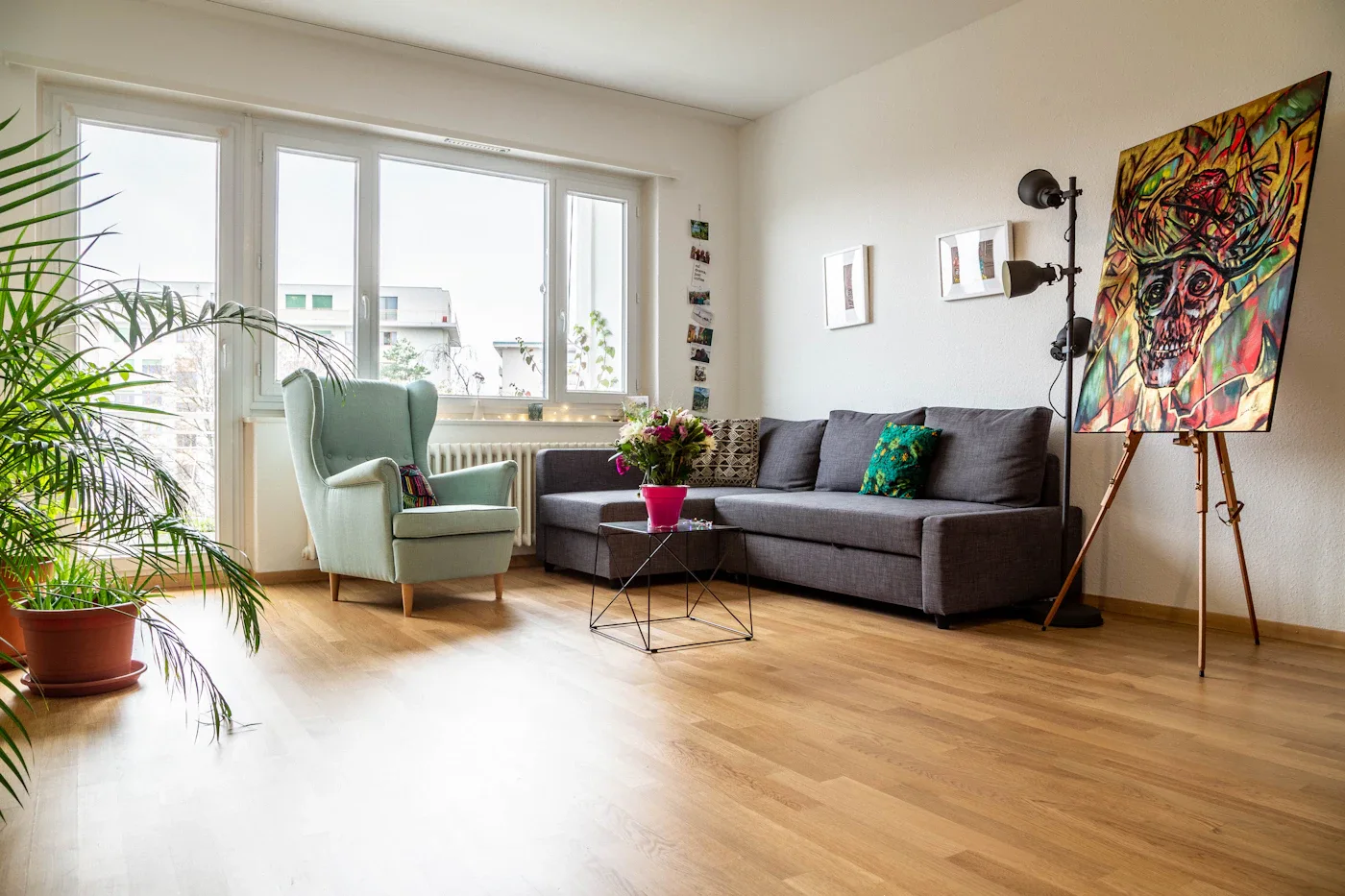
Round or Rectangular? Choosing the Right Coffee Table
Shopping note: This guide links directly to retailers. We do not earn a commission from these links. Read our disclosure. This is a research-based buying guide.
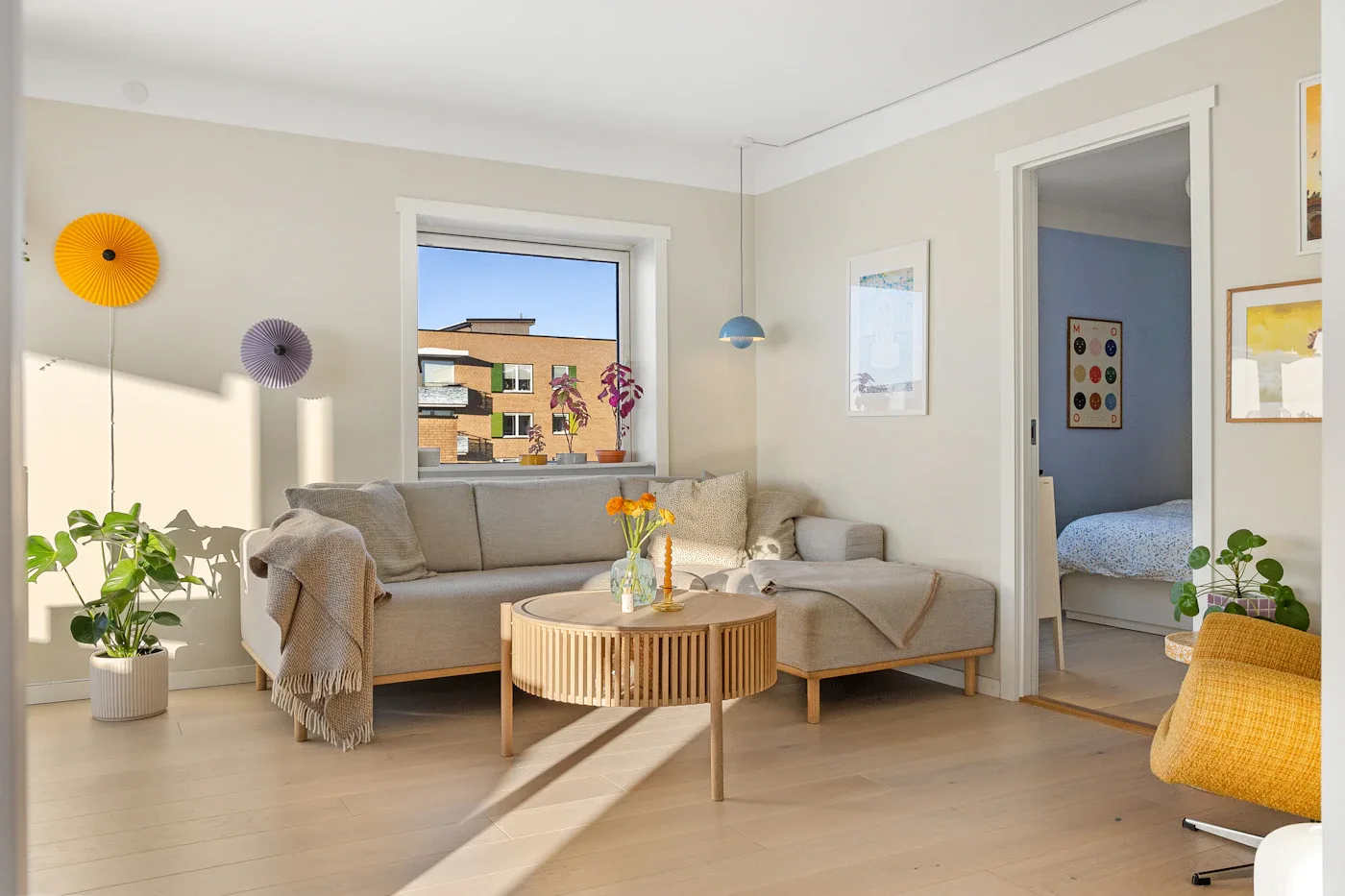
The coffee table that looks perfect in a product photograph may be the one you keep walking around in your own home. Shape matters because a coffee table occupies the space between sitting and moving: it needs to hold a mug without turning the route through the room into an obstacle course.
The short verdict: start with a round or oval table when circulation around corners is the main concern. Start with a rectangular table when several seats along a long sofa need access to the surface. Choose nesting tables when occasional flexibility matters more than one uninterrupted tabletop.
Match the shape to the actual route
A long, narrow living room usually has one obvious walking path. A room with a sectional may have a central opening with people entering from several directions. Trace those routes before deciding which shape looks most appealing.
Use cardboard or floor-safe tape to represent the proposed tabletop. Mark the base separately if it extends beyond the top or has widely splayed legs. Walk around the outline, sit down, and reach toward it as if setting down a cup. You are checking both access and circulation.
| Shape or format | Strongest use case | Everyday benefit | Limitation |
|---|---|---|---|
| Round | A compact conversation group | No projecting tabletop corners | Less surface within a given width than a comparable rectangle |
| Rectangular | A long sofa or two facing sofas | Serves seats along its length | Corners may intrude on the walking route |
| Oval | A narrow room needing a longer surface | Length with softened ends | Some sculptural bases reduce foot space |
| Square | A balanced sectional arrangement | Broad central surface | Can consume the open space inside a small sectional |
| Nesting tables | Flexible seating and occasional guests | Surfaces can move toward individual seats | More legs, edges, and pieces to manage |
| Upholstered ottoman | Regular feet-up lounging | Adds a soft resting surface | Drinks need a stable tray and suitable care |
Height deserves its own check
Compare the tabletop height with your sofa's seat height, including the way its cushion compresses when you sit. A very low table can look calm and spacious but require a longer reach. A taller table may make drinks easier to access while looking more prominent.
Test the movement rather than relying only on a proportion rule. If you regularly work or eat at the sofa, consider whether a lift-top mechanism actually fits the task. Check its open dimensions, operating clearance, load limit, and stability instead of assuming the extra function is automatically useful.
Choose a surface you can live with
Wood introduces grain and warmth, but its finish determines the care routine. Read instructions about moisture, hot items, and cleaning products. Stone varies too; a material name alone does not establish how resistant the finished surface will be to staining or marking.
Glass can reveal more of the rug beneath it, though fingerprints and objects stored underneath remain visible. A painted surface may simplify color coordination, but inspect how the seller describes cleaning and normal wear. Whatever the material, keep appropriate coasters where people can reach them.
Crate & Barrel's coffee-table collection includes round, rectangular, oval, and other formats, making it a useful place to compare current dimensions and construction details. This guide compares those formats; it does not rank individual models through hands-on testing.
Storage: useful only when it stays accessible
A drawer is helpful for remotes and small items that otherwise remain on top. Check whether it can open toward the sofa and whether the handle projects into the path. A lower shelf can hold books but may also collect objects you rarely use.
If a basket is part of the plan, measure the usable opening rather than the table's overall width. Decorative crossbars and tapered legs can make the opening smaller than it first appears. Consider whether you can remove the basket while seated.
Avoid paying for the wrong feature
Do not choose a heavy statement table simply to make an empty room feel finished. If you move furniture for floor exercise or children's activities, manageable weight matters. Likewise, a hidden storage mechanism adds little if you need only a place for two cups.
Get the rug placement settled first. A coffee table should support the seating arrangement rather than force every other piece to move around it.
Common questions
Is a round table automatically safer for children?
It removes sharp tabletop corners, but stability, construction, placement, and any moving parts still matter. Shape alone is not a safety assessment.
Can I use two small tables instead?
Yes. Check their combined footprint and whether their heights work together. They should offer useful surfaces without adding a cluster of legs to a narrow route.
Should the table match the TV console?
It does not need to. A related finish, shape, or visual weight can connect the pieces without buying a matching set.
Sources and shopping references
- Crate & Barrel: Coffee tables by shape and size
- Crate & Barrel: Console tables for coordinating storage
Sources checked October 9, 2026. Final suitability depends on the selected item's dimensions and care requirements.
Check the details before you buy.
Compare current dimensions, materials, care instructions, and return terms at the retailer.