Curtains for Bright Rooms: Privacy Without Losing the Light
Shopping note: This guide links directly to retailers. We do not earn a commission from these links. Read our disclosure. This is a research-based buying guide.
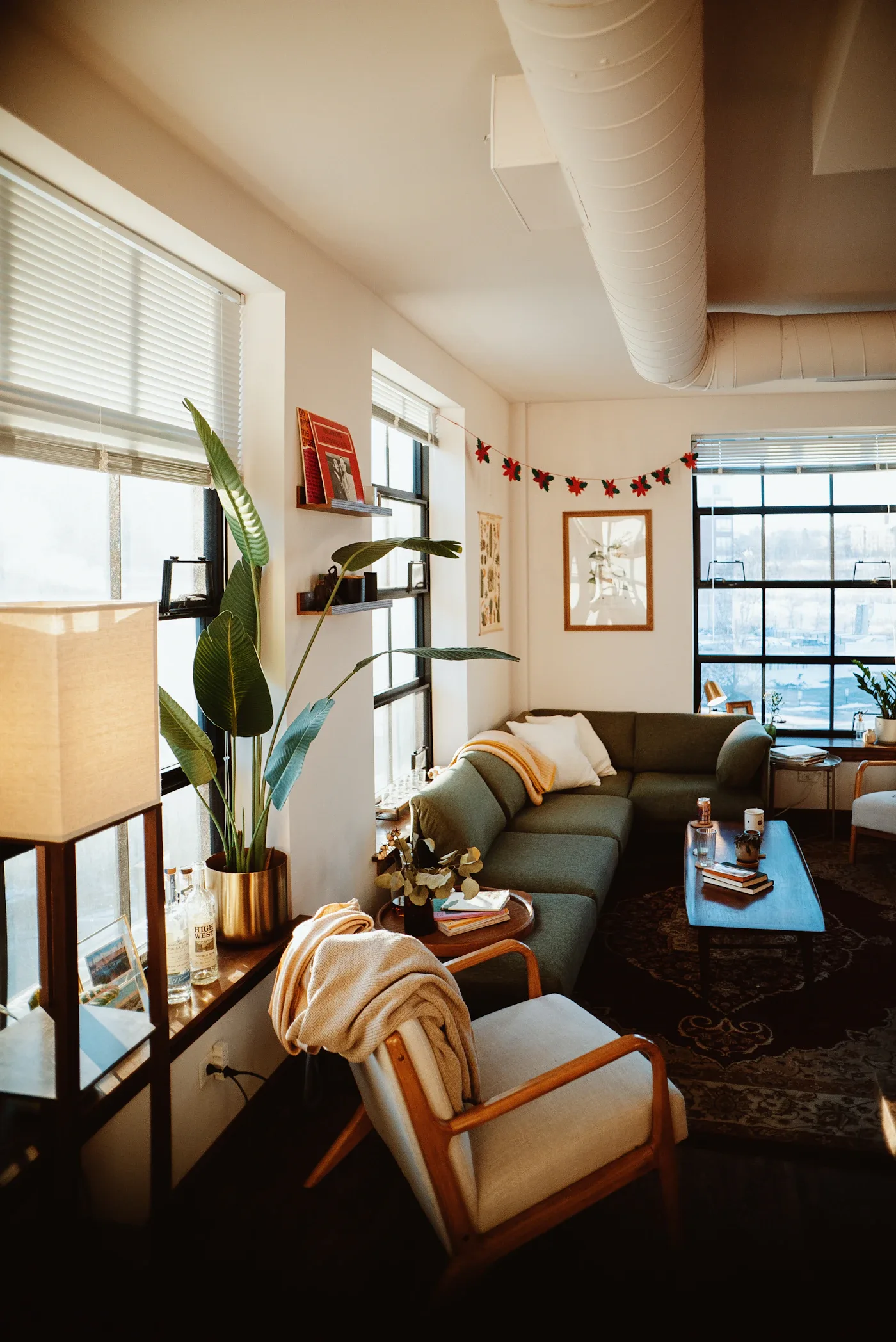
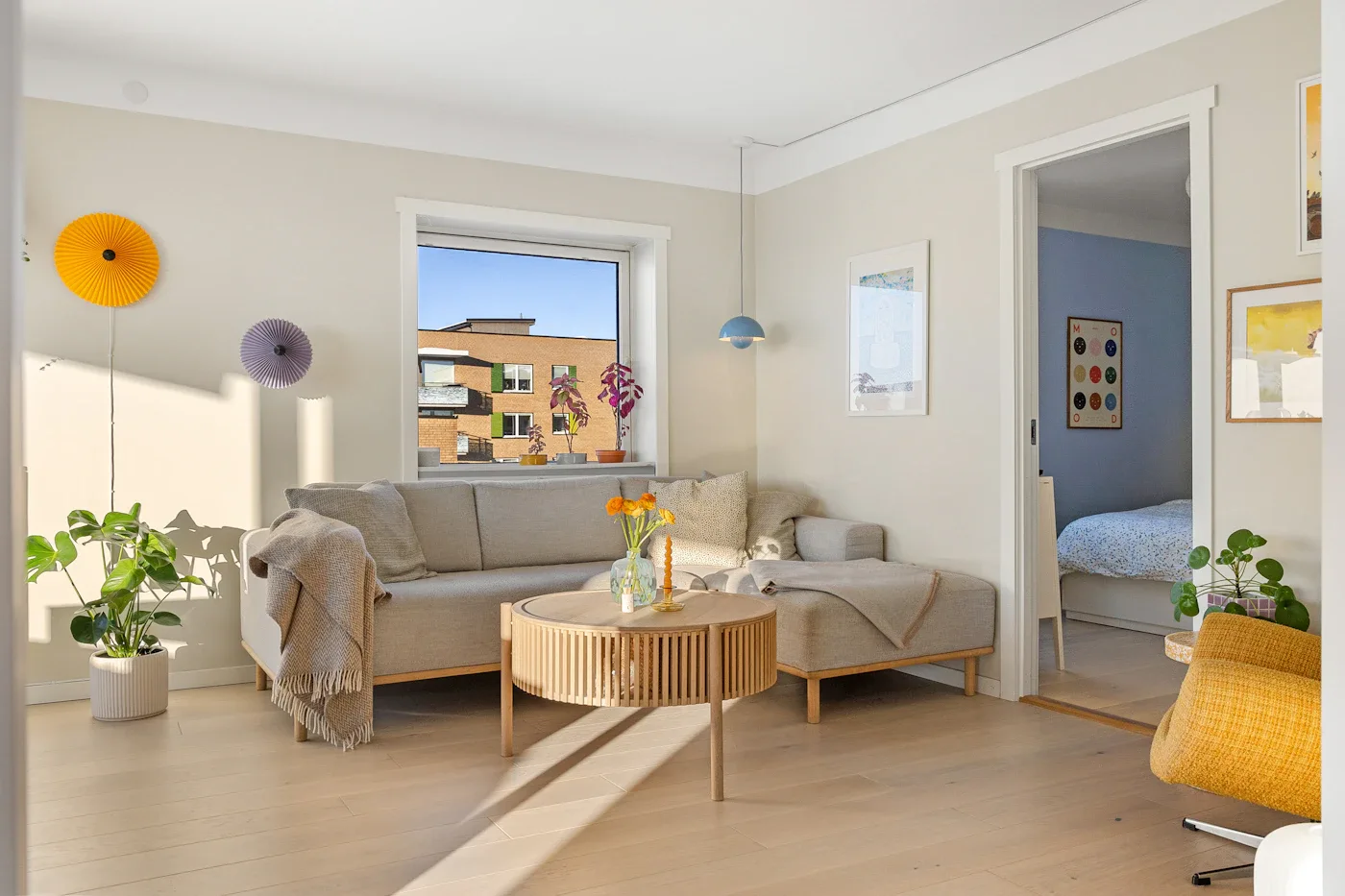
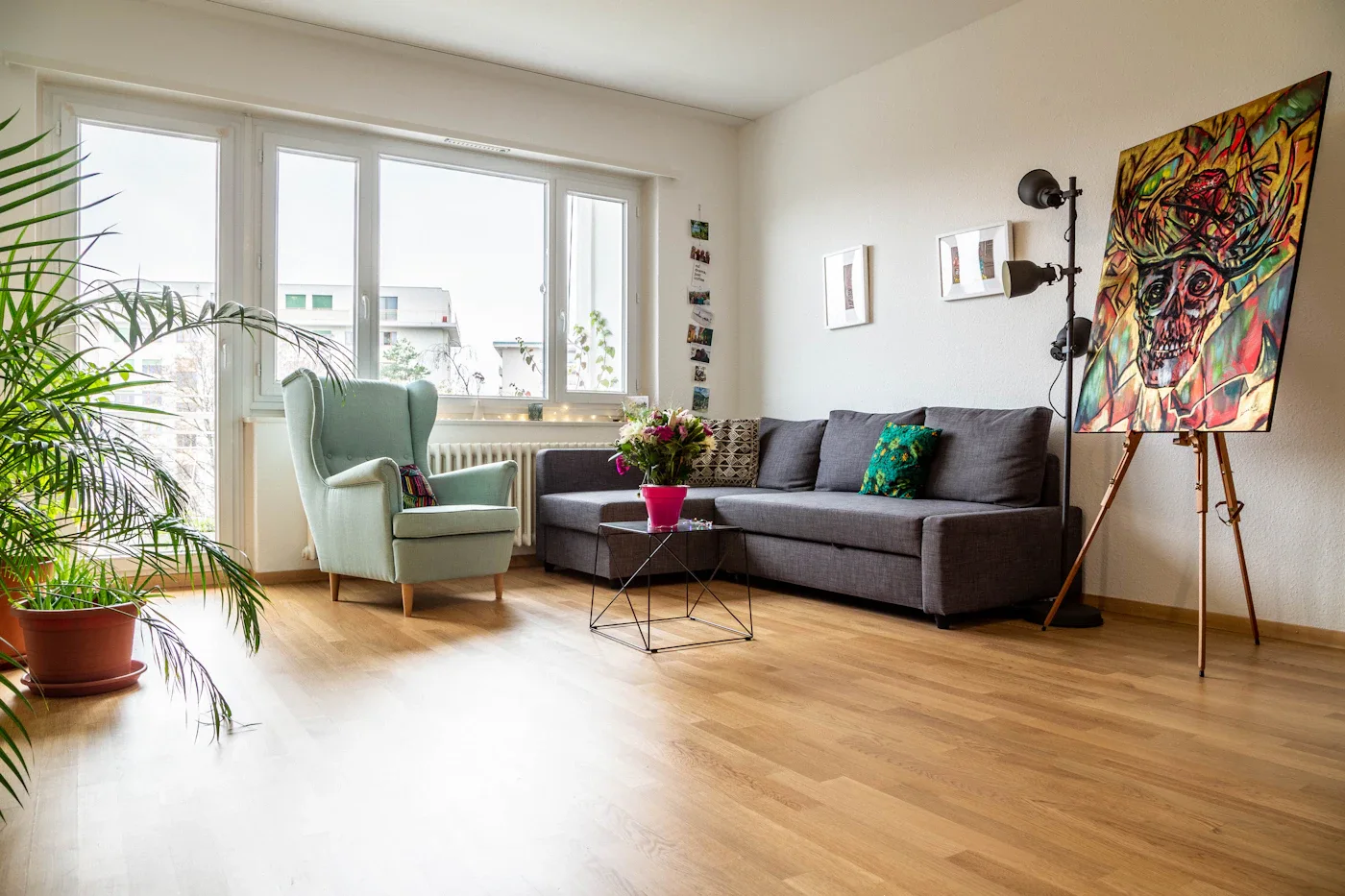
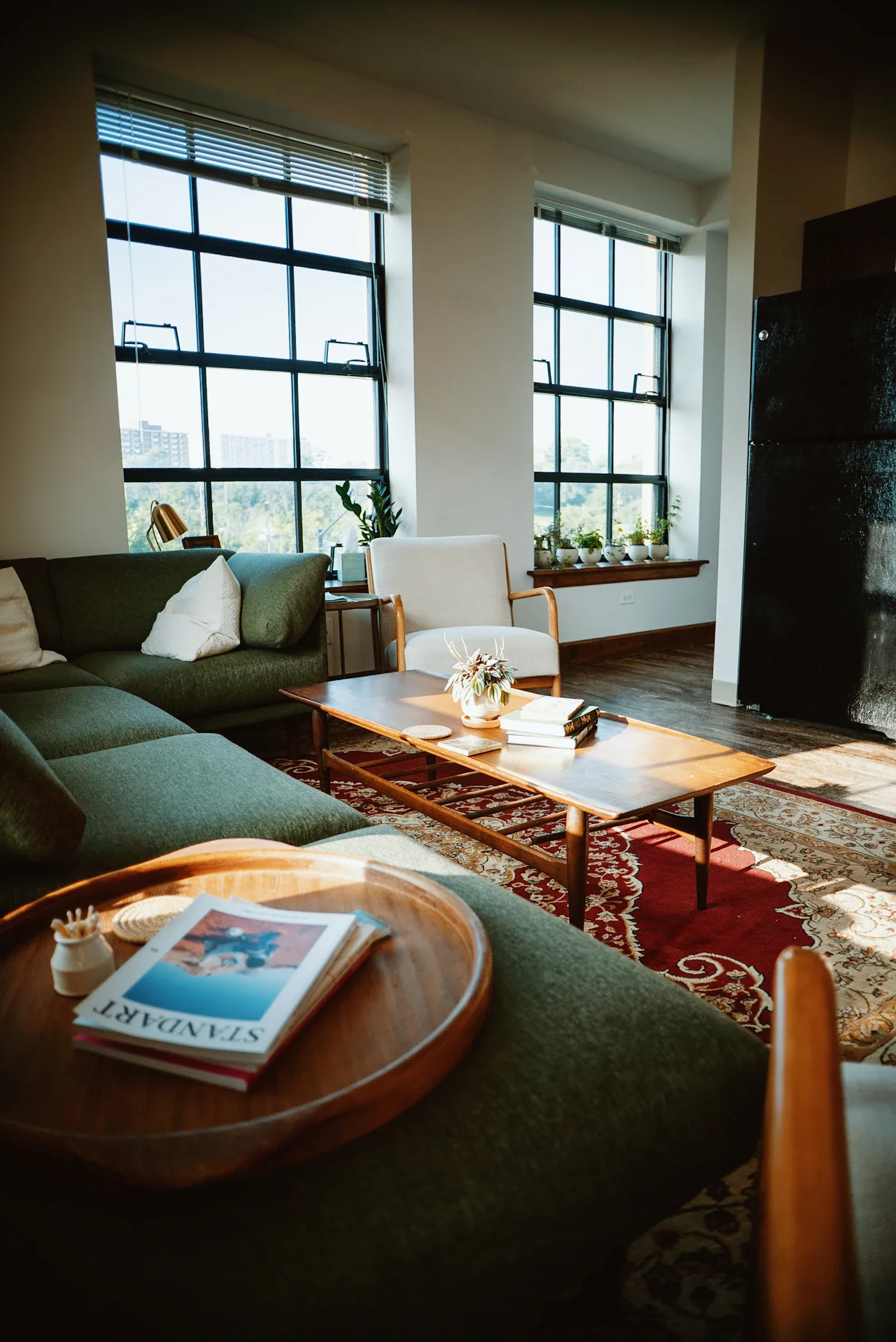
In a bright living room, curtains have to solve two different problems. During the day, you may want to soften direct light without losing the view. After dark, the same window may need much more privacy. One pretty sheer panel does not necessarily handle both.
The buying verdict: choose a layered treatment when daytime softness and nighttime privacy are equally important. Use a light-filtering layer for the hours you want daylight, with a more opaque curtain or suitable blind for privacy. If the window is already private, a single light-filtering treatment may be enough.
Decide what you need to control
Stand where you normally sit and note the issue: glare on a screen, an exposed street-facing window, intense afternoon brightness, or simply a bare-looking wall. Then check the window from the usual outside sightlines when privacy matters. A fabric's appearance on a retail page cannot answer that question for your home.
IKEA separates curtains into sheer, light-filtering, room-darkening, and blackout options. Read the description for the specific panel instead of relying on its color or a photograph. A dark-colored sheer may still be transparent; a pale lined curtain can behave quite differently.
| Treatment | Best starting scenario | Benefit | What to check |
|---|---|---|---|
| Sheer panel | A private room that needs softer daylight | Light, open appearance | Limited privacy, particularly with indoor lights on |
| Light-filtering curtain | Everyday living spaces with moderate screening needs | Softens light while retaining brightness | Actual opacity and nighttime visibility |
| Room-darkening panel | TV rooms or bedrooms where substantial dimming is useful | Greater control over brightness | Side gaps and the maker's stated level of light reduction |
| Layered sheer and opaque treatment | Rooms used from morning through evening | Separate daylight and privacy settings | Added hardware, fabric, and cleaning |
Measure the finished arrangement
Measure where the rod or track will sit, not only the glass. Consider the full drop to the intended hem, the wall area at each side, and the space occupied by gathered fabric when open. A curtain that cannot stack clear of the glass may remove more daylight than you intended.
Check whether the listing sells one panel or a pair. Also check the hanging method: heading tape, rings, tabs, and grommets affect how the panel sits and how much length you need. Use the manufacturer's measuring and fullness guidance for the selected product.
For a casual living room, a hem that clears the floor can be easier to maintain than pooled fabric. In a room with uneven floors, measure at more than one point. If hemming is necessary, follow the fabric's care instructions before deciding the final length.
Fabric texture is a practical choice
Linen-look texture can add interest to a neutral room, but the weave, lining, and actual fiber content matter more than the name. Order a sample where available and hold it against the window. Check its appearance in direct daylight and under the room's evening lighting.
Read the cleaning requirements before buying oversized panels. Some fabrics can be washed at home; others need professional care. Confirm what your machine can handle and whether the manufacturer allows tumble drying. Long curtains that require difficult maintenance may be inconvenient in a room where pets brush past them daily.
Hardware is not an afterthought
Match the rod or track to the curtain's weight and the installation surface. Layered panels require appropriate double hardware or separate treatments, with room for each to move. Follow installation instructions and keep the fabric clear of heat sources according to their required clearances.
If choosing a blind for a home with young children, use an appropriate cordless option and follow its safety instructions. Do not let a decorative plan hide how the window will be used every day.
Where to spend and where to save
Spend on the right opacity, enough fabric, and hardware that opens smoothly. Custom sizing can be useful for an unusual window, but it is unnecessary when a ready-made size fits after straightforward hemming.
Avoid buying decorative tiebacks before you know whether you will use them. Also resist a complete room of identical treatments when one window needs privacy and another needs glare control. Keep the color and fabric family related while adapting the function.
Common questions
Do sheers give nighttime privacy?
Do not assume they do. Visibility changes when the room is brighter than outdoors. Check the actual fabric under those conditions and add a more opaque layer when privacy is required.
Will blackout curtains make every room completely dark?
The fabric and the installation both matter. Light can enter around the top and sides even when the fabric itself blocks light effectively.
Should every curtain match the sofa?
No. Relate the curtain to the whole room, including the wall, floor, and rug. A quieter background often gives other textiles more room to work.
Sources and shopping references
Sources checked October 9, 2026. Opacity and care vary by individual product.
Check the details before you buy.
Compare current dimensions, materials, care instructions, and return terms at the retailer.