Counter Stools That Fit Your Kitchen and Your Routine
Shopping note: This guide links directly to retailers. We do not earn a commission from these links. Read our disclosure. This is a research-based buying guide.
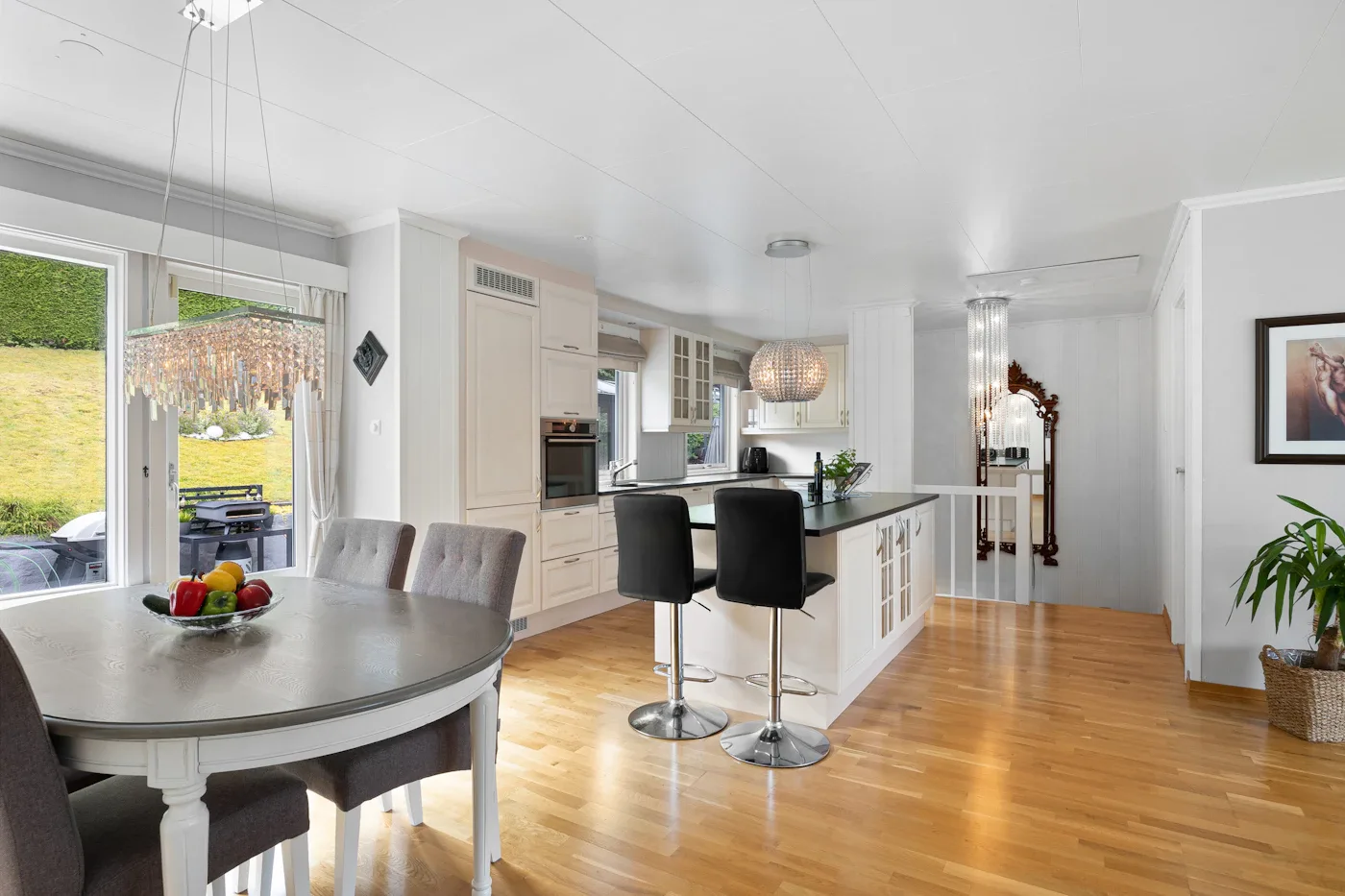
Kitchen stools often become the most-used seats in the house. Breakfast happens there, someone answers email, and a friend settles in while dinner is being prepared. The right stool therefore depends on more than whether its finish matches the cabinet hardware.
Our recommendation: buy for the measured counter and the longest activity you regularly do there. A backless stool can be an efficient perch for a quick snack. For meals, homework, or lingering conversation, prioritize a supportive back, a usable footrest, and a seat you have assessed for comfort.
Start with the underside of the counter
Measure the floor-to-top height and the clearance beneath the counter, including any apron or support brackets. Then record the overhang depth and the available length between obstructions. Your knees need room beneath the surface, and the stool must pull out far enough for someone to sit.
Counter and bar stools are different product categories. For example, Pottery Barn's Aaron stool listing distinguishes versions intended for different counter and bar heights. Use the maker's recommended surface-height range for the exact stool rather than assuming all kitchen islands share one height.
Seat height is the critical dimension; overall stool height includes the back. Check both, since a tall back may interrupt a sightline even when the seat fits properly.
Choose the format around your routine
| Stool type | Best use case | Benefit | Tradeoff |
|---|---|---|---|
| Backless | Quick meals and tight sightlines | May tuck mostly beneath the counter | Less support for long sitting sessions |
| Low back | A balance of support and visual openness | Some back support without a tall profile | Comfort depends on the back's position |
| Full back | Regular meals or homework | More supported sitting | Greater visual presence and pullout space |
| Swivel | Turning between the kitchen and adjoining room | Easier change of direction | Check clearance from neighboring stools and cabinetry |
| Upholstered | Longer, more relaxed use | A softer sitting surface | More involved stain and spill care |
Count seats by usable space
Do not divide the island length by the stool's narrowest dimension and call that the seating capacity. People need elbow room, and stools with arms or flared legs need more space than the seat alone suggests.
Mark the full width of each proposed stool, then arrange existing chairs or boxes to simulate the positions. Sit beside another person and set out plates. Check whether the end seat collides with a cabinet handle or blocks a walkway when occupied.
Fewer comfortable seats can be more useful than a crowded row. If guests visit occasionally, a separate dining chair may be a better overflow solution than squeezing another permanent stool into the kitchen.
Materials should suit the mess
For frequent breakfasts with spills, compare smooth wipeable surfaces and upholstery with clear care instructions. A woven seat may look airy, but crumbs and spills can require a different routine. Removable cushions can help, provided their covers and fillings have practical care requirements.
Wood and leather each vary by finish. Do not assume every wood stool tolerates the same cleaner, or that leather is maintenance-free. Pottery Barn's Segura stool information includes care guidance and a reminder to check hardware periodically, illustrating why the product page matters after purchase as well as before.
Inspect how the footrest is finished, since it receives direct contact from shoes. Use floor protection compatible with both the stool and your floor, and check it as part of routine cleaning.
What deserves the budget
Spend on a suitable seat, stable construction, useful dimensions, and practical care. Adjustable height may be worthwhile when the surface height requires it, but it adds a mechanism that a correctly sized fixed stool does not need.
Avoid buying a full set before checking the fit if a sample or showroom visit is possible. Also review delivery, assembly, and return costs; a bulky stool that is uncomfortable to sit on is expensive even when its initial price looks favorable.
Coordinate with the dining table if both areas share a room. They can relate in color or material without using identical chair designs.
Common questions
Can bar stools work at a counter-height island?
Only if the actual seat height is suitable. Many will be too tall. Check measurements and the manufacturer's recommended counter range rather than relying on the word “stool.”
Are stools with arms more comfortable?
They may be, but the arms must clear the counter and neighboring seats. A comfortable armchair-style stool can also occupy considerably more space.
Is a swivel stool always easier to use?
It can help with turning, but the rotating seat and back need clearance. Test how it behaves near corners, handles, and another occupied stool.
Sources and shopping references
- Pottery Barn: Aaron bar and counter stool specifications
- Pottery Barn: Segura bar and counter stool construction and care
Sources checked October 9, 2026. Product references illustrate specifications to compare; this is not a hands-on stool test.
Check the details before you buy.
Compare current dimensions, materials, care instructions, and return terms at the retailer.