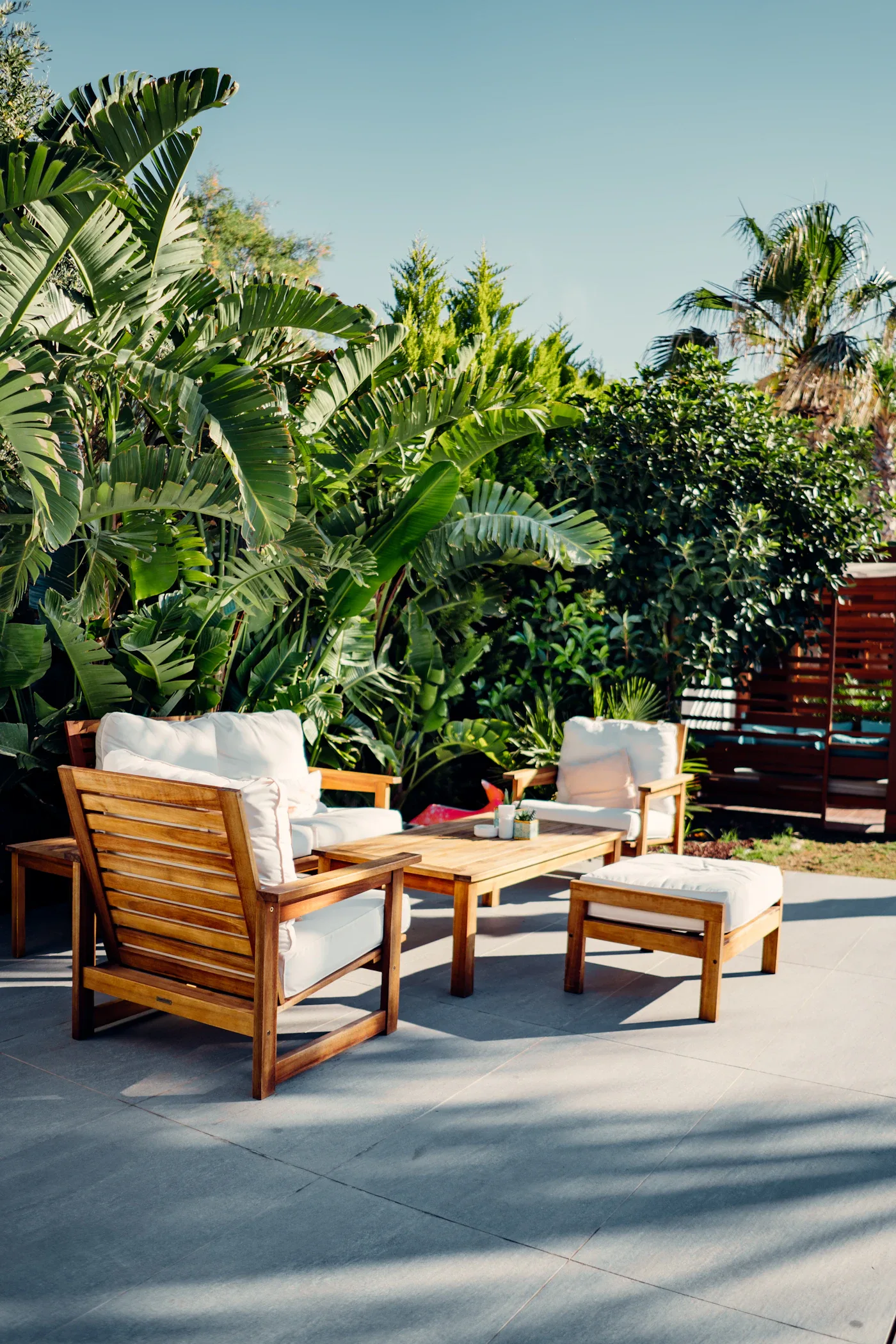
Outdoor Cushions: Choosing Covers and Planning for Storage
Shopping note: This guide links directly to retailers. We do not earn a commission from these links. Read our disclosure. This is a research-based buying guide.
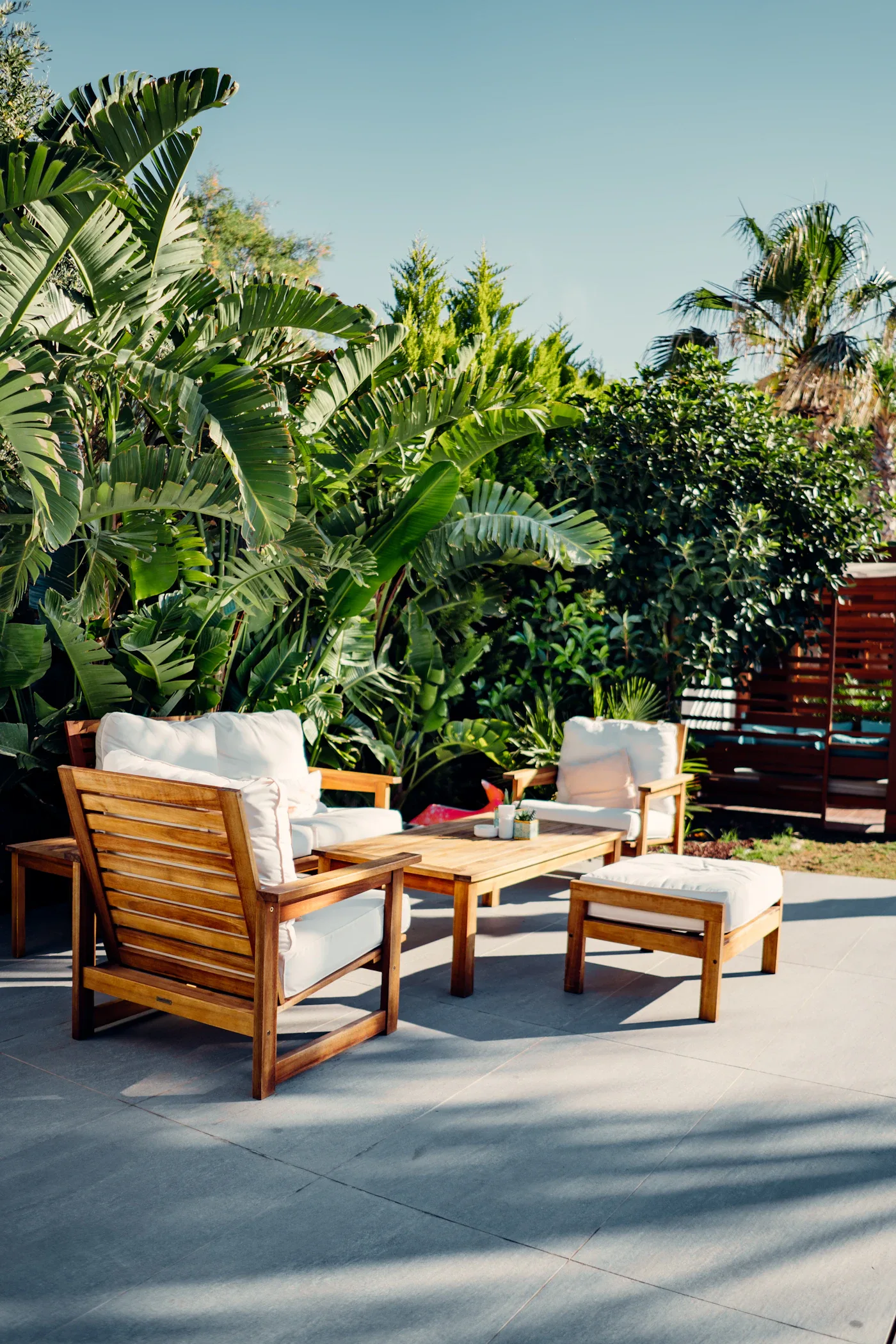
The outdoor sofa looks comfortable until you realize that its cushions have no home when they are off the frame. A daily stack in the hallway is inconvenient, and a box that is slightly too narrow can make packing everything away feel like a chore.
Choose cushions and storage together. Our recommendation is to prioritize a correct fit, clear cleaning instructions, and a storage location you can reach easily. A premium fabric cannot compensate for a cushion that slips off the seat or a box that encourages you to put damp cushions away.
Measure the cushions as a set
For replacements, measure the usable seat and back area and compare those measurements with the furniture maker's specified cushion size. Thickness changes sitting height and back support; matching width and depth alone is not enough. Check ties, straps, shapes, and whether the seat narrows toward the back.
For storage, arrange every cushion in the way you intend to pack it. Measure that stack without aggressively compressing it. Include back cushions, decorative pillows, and any small seat pads rather than using only the largest seat cushion as your estimate.
Then compare the stack with the storage product's internal dimensions and opening. A generous gallon figure does not tell you whether a broad cushion fits through the lid.
| Storage approach | Best suited to | Main compromise | Buying detail that matters |
|---|---|---|---|
| Indoor shelf or closet | A small number of cushions | Uses indoor space | Access without blocking household storage |
| Purpose-made outdoor cushion box | Frequent use close to the furniture | Adds a substantial footprint | Internal dimensions, ventilation, and weather instructions |
| Storage bag kept indoors | Seasonal organization | Less convenient for daily use | Handle construction and a fit that avoids forcing the zipper |
| Furniture cover | Protecting an assembled seating arrangement as directed | Does not replace every storage or drying step | Exact furniture fit and the manufacturer's ventilation guidance |
| Smaller, cushion-light seating setup | A patio with very little storage | A different comfort experience | Whether the seat is comfortable without extra padding |
Fabric care and cushion care are different
A removable cover is useful only when you understand what removal allows. A zipper may provide manufacturing access without making machine washing appropriate. Read both the fabric care guidance and the furniture maker's instructions.
Sunbrella's upholstery care guide specifically advises checking with the furniture manufacturer before removing a casing, because cushion construction varies. Do not transfer one fabric's cleaning method to an unidentified cushion or assume that its filling can be treated in the same way.
When comparing cushions, look for a complete description of cover, filling, fastening, and maintenance. Ask whether replacements are available individually. Being able to replace one worn seat cushion can be more useful than a wide range of decorative colors.
Read the storage instructions before buying the box
Outdoor storage does not eliminate the need to dry items. For example, IKEA instructs buyers of its VÄTTERSÖ storage box to put cushions away completely dry and to keep the filled box in a cool, dry indoor place during the off-season. Its published guidance also describes ventilation openings.
That is a useful reminder to look at the entire care routine, even when a product is described as waterproof. Check where the box will stand, whether the lid can open fully, and what happens when you need to move it. Do not treat a storage lid as extra seating unless the manufacturer explicitly allows that use.
Make the daily routine easy enough to follow
Put storage near the furniture without narrowing the main walking route. Keep items that are used together in a simple order: everyday seat cushions easiest to reach, occasional decorative pillows behind them. Separate anything that still needs to dry instead of pushing it into the same stack.
Before seasonal storage, follow the cleaning instructions, allow the cushions to dry completely, and check the box or bag itself. Keep the care labels and product names so you can find the right instructions later.
Where to spend and where to save
Pay for comfortable dimensions, serviceable covers, and a workable storage solution before buying extra pillows. A coordinated collection of decorative cushions can double the number of pieces you handle without improving the main seat.
If storage is scarce, reconsider the furniture format. Our outdoor materials guide and small patio plan can help you compare seating that needs fewer separate soft parts.
Common questions
Does water-resistant fabric mean the whole cushion is waterproof?
No. The cover, seams, zipper, and filling form a complete cushion. Follow the cushion manufacturer's exposure and care instructions rather than relying on the fabric label alone.
Can I buy a storage box by capacity alone?
No. Check interior width, depth, height, and the size of the opening. A cushion can be too wide for a box even when the stated volume looks ample.
Should I buy spare covers immediately?
Consider them if the furniture uses an unusual shape and replacements are available. For a standard cushion, first confirm the fit and comfort before buying duplicates.
Sources
- Sunbrella: upholstery care and removable cushion casings.
- IKEA: VÄTTERSÖ product details and storage instructions.
Sources checked October 9, 2026.
Check the details before you buy.
Compare current dimensions, materials, care instructions, and return terms at the retailer.