Kitchen Runner Rugs: Comfort, Cleaning, and the Right Fit
Shopping note: This guide links directly to retailers. We do not earn a commission from these links. Read our disclosure. This is a research-based buying guide.
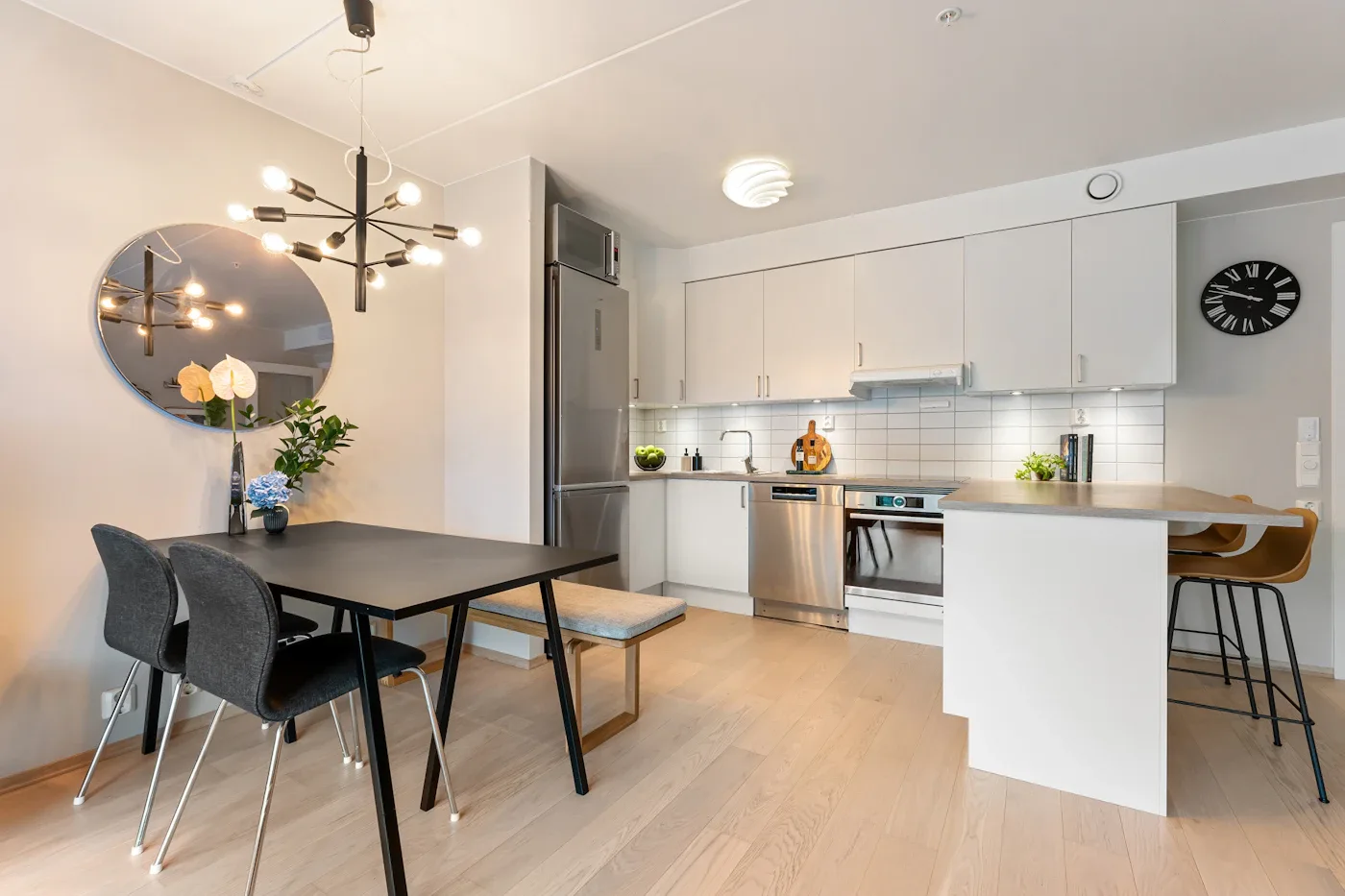
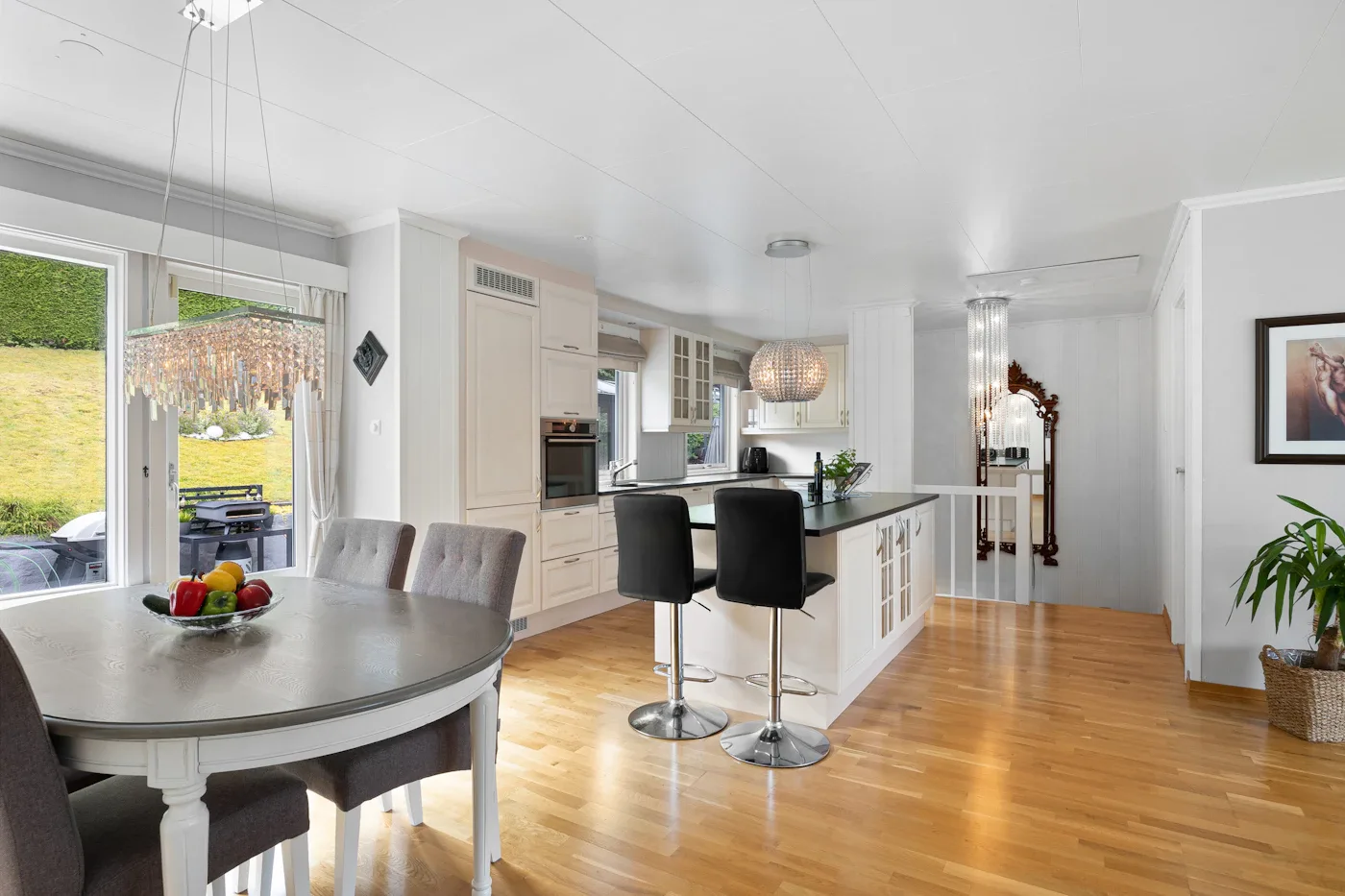
A kitchen runner can soften the strip of floor between an island and the cabinets, but it also sits where crumbs fall, drawers open, and people carry hot dishes. Its value depends on how easily it fits into that routine. The pattern is only one part of the purchase.
The buying verdict: choose a runner only after measuring the working aisle and checking appliance clearances. Prioritize a stable, low-profile setup with a cleaning method you can actually use. If spills are frequent and washing a long rug would be burdensome, a smaller mat or a bare floor may be the more practical choice.
Map the kitchen in motion
Open the dishwasher, oven, refrigerator, and low drawers. Note where their edges pass and where you stand while loading or unloading. Mark the proposed runner outline with floor-safe tape, then walk the normal cooking route.
A runner should suit the usable stretch of floor, not automatically run from wall to wall. Leave access to floor vents and respect appliance requirements. Check the combined height of the rug and any pad against door or appliance clearances.
Ruggable's runner guide and kitchen-rug collection show different placements and lengths. Use them to compare formats, then measure your actual layout instead of copying a styled kitchen photograph.
Compare the daily tradeoffs
| Floor treatment | Strong use case | Benefit | Limitation |
|---|---|---|---|
| Low-profile washable runner | A long aisle with routine crumbs and small spills | Adds color with a defined laundering method | The exact size must fit suitable washing equipment |
| Conventional rug with specified care | A lower-mess kitchen where its material is appropriate | Broader texture and construction choices | Cleaning may require more effort or outside service |
| Small mat near a work area | One place where you spend most of your standing time | Smaller footprint and easier handling | Does not visually connect a long aisle |
| Bare floor | Heavy spills or a kitchen with tight clearances | Simplest access for sweeping and wiping | No textile softness or decorative layer |
Washable needs a complete plan
Read the care instructions for the exact rug style and size. Check whether the whole rug is washed or whether a cover separates from a pad. Those systems create different handling and drying tasks.
Ruggable's washing-machine guide is a useful reference for matching its products to washer capacity. Do not assume that a rug described as machine-washable will fit every home machine. Look at the capacity and any restrictions for the selected construction.
Plan where the rug will dry if its instructions call for air drying or specific low-heat treatment. A washable rug that has nowhere to dry can turn a simple spill into a household inconvenience. Check pad-cleaning instructions separately.
Think about crumbs, texture, and pattern
A busy pattern may make small marks less visually obvious, but it does not change the cleaning requirement. A pale solid can look calm and bright while showing more of daily kitchen life. Choose the appearance you will enjoy between cleanings rather than expecting a pattern to make mess disappear.
Feel the surface if a sample is available. A heavily textured rug may be appealing underfoot but more involved to clean around food debris. Consider your vacuum's guidance and the rug's own instructions before choosing pile and fringe.
Loose decorative ends near a working aisle may be inconvenient. A simple finished edge can be easier to live with where stools, drawers, and foot traffic are close together.
Check the floor underneath
Follow both the flooring manufacturer's and rug maker's advice about backings and pads. Do not assume every nonslip material is compatible with every floor finish. Keep the floor dry and clean as directed before replacing the rug after laundering.
If the rug curls, shifts, or obstructs normal movement, address the cause rather than accepting it as part of the look. Reassess placement and the recommended pad system. Stability is more valuable than a perfectly centered photograph.
Avoid paying for extra length
The longest runner is not necessarily the best fit. Buy the length that serves the work area while keeping the ends in sensible places. A shorter rug in the correct position can be more useful than one extending beneath furniture or into a doorway.
Coordinate colors with the counter stools and cabinetry, but prioritize cleaning and fit over matching every textile in the house.
Common questions
Does a kitchen runner need a pad?
Follow the rug maker's requirements and check compatibility with the floor. Some systems include a pad; others specify a separate one. Account for the total thickness.
Can I put a runner in front of the dishwasher?
Only when it does not interfere with opening, operation, or the appliance's requirements. Consider repeated drips and whether the cleaning routine remains practical.
Is a washable rug the same as a waterproof rug?
No. Washability describes cleaning. Do not assume spills cannot reach the floor or that the rug can remain wet without attention.
Sources and shopping references
Sources checked October 9, 2026. Product care and fit vary by construction and size.
Check the details before you buy.
Compare current dimensions, materials, care instructions, and return terms at the retailer.